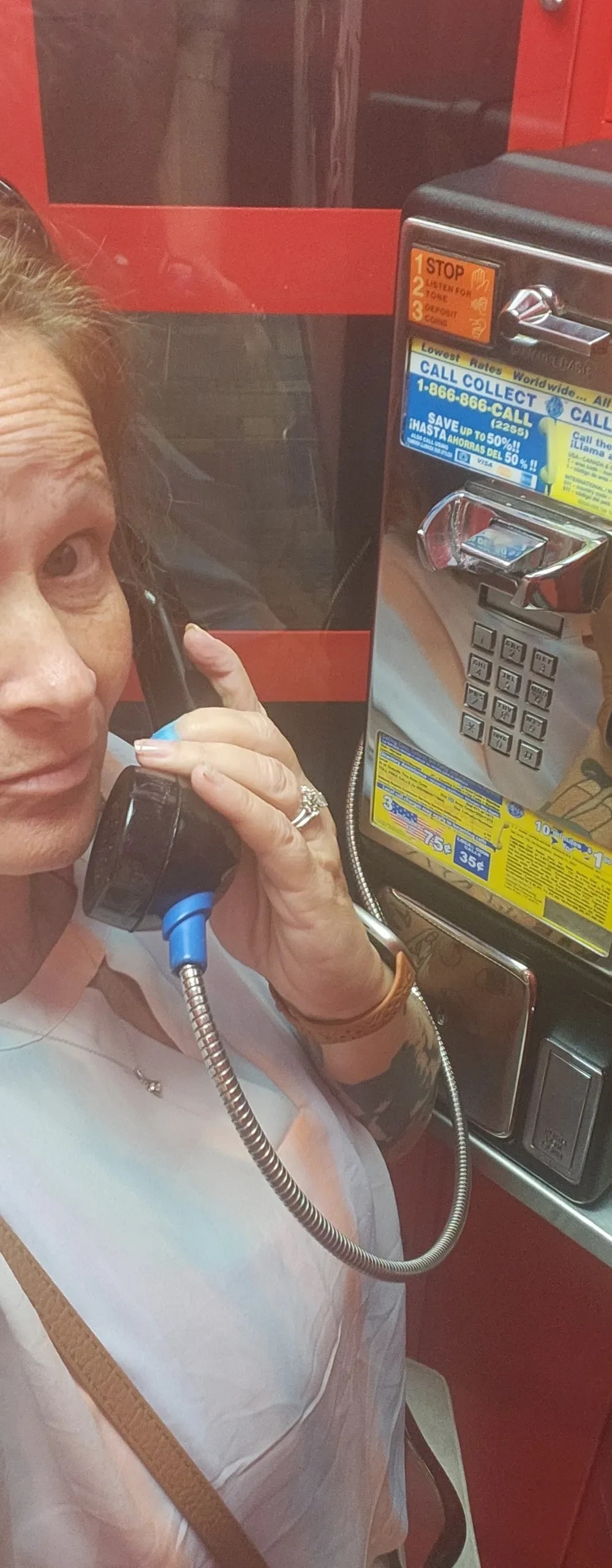
Please Hold
Just Scribbles
Some of us are navigating things you can't see. Some of us are working harder than it looks.
It has been ten years since my stroke. Ten years of recovery that doesn't look like recovery. Ten years of learning how to live inside a body and brain that don't always cooperate.
I don't look like anything is wrong with me. I don't look blind. I don't look like I struggle to find words. I don't look like I get lost in unfamiliar spaces. I don't look overwhelmed when someone tells me a long story without pausing.
So I smile. Because explaining is exhausting. Because reminding people is exhausting. Because when you look "normal," people forget.
Mild aphasia sounds small. But it means knowing exactly what you want to say and not being able to find the word. It means watching a sentence disappear halfway out of your mouth. It means feeling capable and aware while sounding unsure or scattered.
My thoughts are faster than my words. My silence is often mistaken for calm, agreement, or disinterest.
Sometimes I want to ask someone to slow down. Sometimes I want to say, "That's too much at once." Sometimes I want to interrupt and ask for space. But often, I don't. I stay quiet. I smile.
What you don't see is the constant mental work — mapping rooms, tracking voices, holding onto thoughts long enough to speak them. Stroke recovery isn't a finish line. It's a lifetime of quiet adjustments most people will never notice. And that invisibility can be lonely.
If someone pauses before answering, wait. If someone asks you to slow down, try to remember. If someone is quiet, don't assume they have nothing to say.
Some of us are navigating things you can't see. Some of us are working harder than it looks.
Ten years in, I am still healing. Still adapting. Still learning how to honor my limits without shrinking myself. I may smile — but inside that smile is effort, resilience, and a story that deserves patience. Sometimes the kindest thing you can do is simply pause.